Reduce Guest Questions: a 67% Drop in 3 Months
By Benoit · Co-founder of Lyvo, hospitality and guest experience
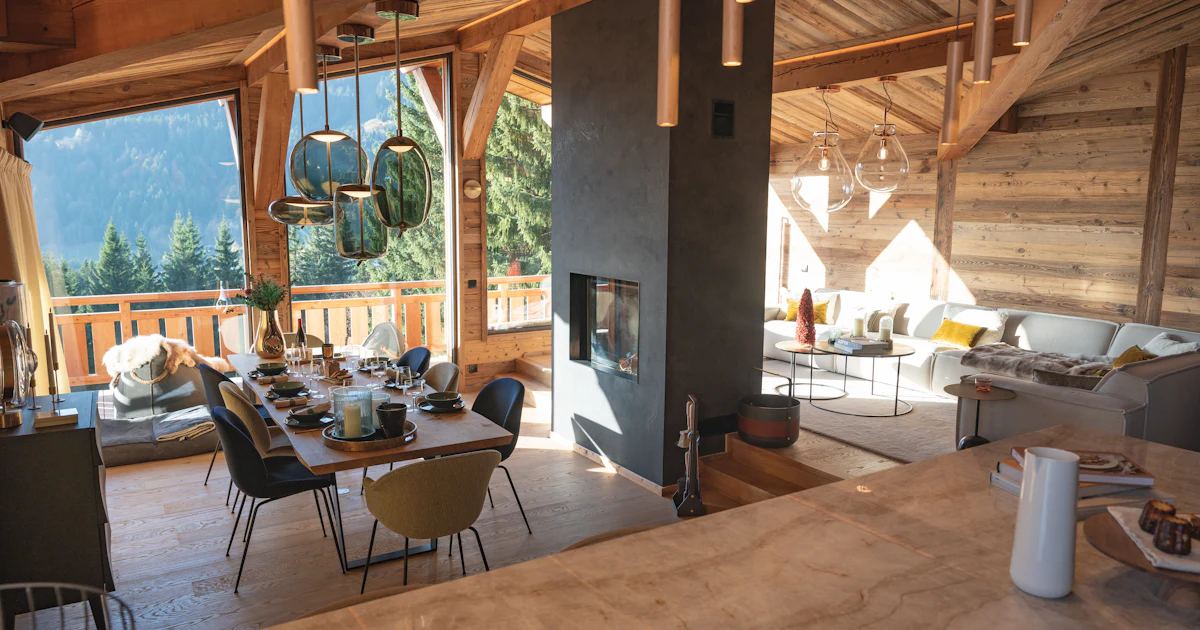
To reduce guest questions, a property management company running 12 rentals in Haute-Savoie, in the French Alps, worked in two steps: a digital welcome book for each property, then an AI chatbot connected to those books. Within three months, incoming messages fell by 67%, from 45 a day at peak to 15, a third of the original volume.
The starting point: 12 rentals, 2 people, 45 messages a day in season
The company manages 12 apartments and chalets in a mountain resort. Two people run everything: preparing arrivals, handling owners and answering guests. In high season, the inbox reached 45 incoming messages a day, evenings and weekends included.
Each message was quick to handle on its own. The pile-up was the problem: a Wi-Fi question during a property inspection, a parking question at 9 pm, another one on Sunday morning. Airbnb tracks this responsiveness closely. To earn Superhost status, a host must respond to 90% of new messages within 24 hours. For a team of two in peak season, keeping that pace meant the phone never went off.
The diagnosis: 8 recurring questions made up 70% of the volume
Before changing tools, the team went back over the previous season’s conversations. Lyvo analyzed those past messages and pulled out the answers already given, property by property. The result: 8 recurring questions accounted for 70% of all incoming messages.
- The Wi-Fi network name and password
- The lockbox or door code
- Where to park
- Check-in and check-out times
- How to adjust the heating
- Recycling rules and where the bins are
- How the hob and dishwasher work
- Restaurants and shops open nearby
None of these questions needed judgment. The answers already existed, scattered across PDFs, old messages and the memory of two people. Guests wrote in because they could not find the information fast enough.

Weeks 1 and 2: a digital welcome book for every property
Step one was to put those answers in one place, specific to each property. With Lyvo, each complete welcome book was generated in under 10 minutes: sections written by AI from the property details and the answers extracted from past messages, nearby restaurants and activities found through Google search for each address, and a ready-made design. All 12 books were usable the same day.
The two weeks went into the field work AI cannot do for you. The team visited each property to check the codes, photograph the thermostat and the lockbox, then stick QR codes by the front door and the router. The book opens on the guest’s phone with nothing to install. Its link also goes out in the Airbnb automated messages scheduled the day before arrival.
To structure the sections, our 10-section welcome book template covers all 8 questions from the diagnosis. The complete guide to Airbnb welcome books covers the rest.
Weeks 3 and 4: the AI chatbot connected to the welcome books
With the books up to date, the team switched on the Lyvo AI concierge. The chatbot learns each property from its welcome book and replies in the guest’s language, at any hour. It understands one question asked in many different ways: “the wifi isn’t working” and “what’s the internet code?” both lead to the same section.
Before opening it to guests, the team tested it with the 8 questions from the diagnosis, phrased several ways. Then they set the escalation rule: when the chatbot does not know the answer, or when the situation needs a person (a breakdown, a leak, a forgotten item), it hands the conversation to the team with its full history. Our guide to the AI concierge chatbot for vacation rentals covers these selection criteria in detail.
Results after 3 months: 67% fewer incoming messages
Three months after launch, the inbox looked different:
- From 45 to 15 messages a day at peak, a 67% drop in incoming messages. The volume was cut by a factor of three.
- About 8 in 10 questions asked to the chatbot are resolved without human help.
- Evenings and weekends are quiet again: the messages that still arrive at those hours genuinely need someone.
The 15 remaining messages look nothing like the 45 from before. They are special requests, unexpected problems and guests who want advice. The team now spends on them the time it used to spend retyping a Wi-Fi password.
Lessons learned: get the welcome book right first
First lesson: a chatbot is only as good as the welcome book behind it. Wherever a section stayed vague, such as “parking nearby” with no address, the chatbot escalated more often or gave a fuzzy answer. Every question passed to the team became a new line in that property’s book.
Second lesson: order matters. Connecting a chatbot to incomplete information would have produced approximate answers and put guests off in the first week. Starting with the welcome book gave the chatbot a reliable source before it ever spoke to a guest.
Next steps: new properties and tracking each rental
Every new property the company takes on now starts with its welcome book and chatbot from the first booking. The team also tracks, property by property, the share of questions resolved without them. A property that lags behind the others almost always points to a section that needs filling in.
FAQ
Can you get these results with only 5 properties?
The mechanism does not depend on portfolio size. Each property generates its own recurring questions, and those are what the welcome book and then the chatbot absorb. With 5 properties, the absolute volume is lower. The figures from this case do not carry over as they are; the method does.
How long does it take to create 12 welcome books?
With Lyvo, a complete, ready-to-use welcome book is generated in under 10 minutes. The remaining time goes into checking on site what is specific to each property: codes, photos, where to place the QR codes. Here, the team spread those visits over two weeks because they did them in the middle of the season.
Does the chatbot also reply at night and at weekends?
Yes. It replies at any hour, in the guest’s language, based on the property’s welcome book. Urgent situations are passed to the team, which decides what happens next.
What happens when the chatbot doesn’t know the answer?
It hands the conversation to the team along with its history. Once the team has answered, they add the information to the welcome book, so the chatbot can handle it alone next time.
Managing several rentals and want to follow the same approach? See Lyvo pricing for property managers or explore all Lyvo solutions.